

What’s the Real Value?
When it comes to estate sales, most people have one question in mind: How much money can we make?
It’s a reasonable question. After all, a home may be filled with valuable furniture, antiques, collectibles, and personal belongings accumulated over decades. Selling those items seems like a great way to generate extra income.
But here’s something that often gets overlooked: The biggest benefit of an estate sale isn’t always the money you make. Sometimes, it’s the space you clear.
As a probate, estate, and trust specialist, I frequently speak with families who are trying to figure out what to do with a home full of belongings. Whether they’re handling a loved one’s estate, preparing an inherited property for sale, or simply downsizing, understanding the true purpose of an estate sale can make the entire process easier.
Can You Really Make Money from an Estate Sale?
The short answer is yes. Estate sales can generate money, especially when a home contains desirable items such as antique furniture, artwork, jewelry, collectibles, or quality household goods.
Professional estate sale companies help organize belongings, determine pricing, advertise the sale, and attract potential buyers. Their experience can be especially helpful for families who don’t have the time or resources to handle everything themselves.
However, it’s important to have realistic expectations.
Not everything in a home has significant resale value. Some items may be outdated, damaged, or simply not in demand. Estate sale companies also typically charge commissions or fees, which reduce the final proceeds.
So while an estate sale may bring in some welcome income, it shouldn’t automatically be viewed as a major moneymaking opportunity.
The Hidden Value of Decluttering
Now, let’s look at the other side of the equation: decluttering.
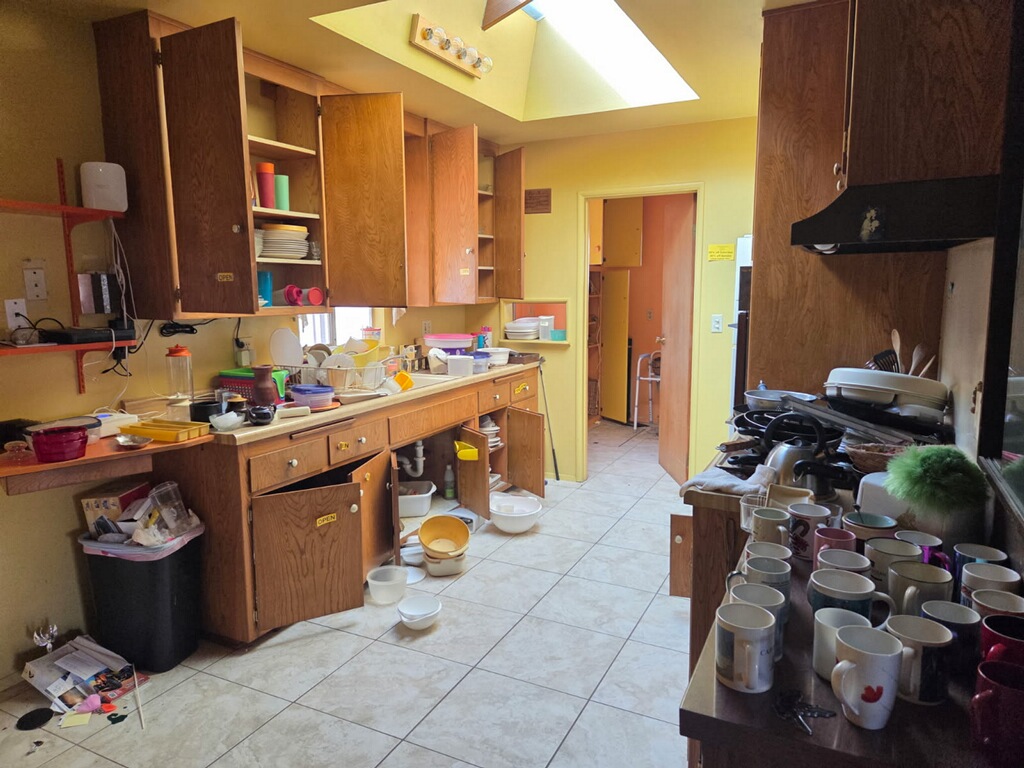
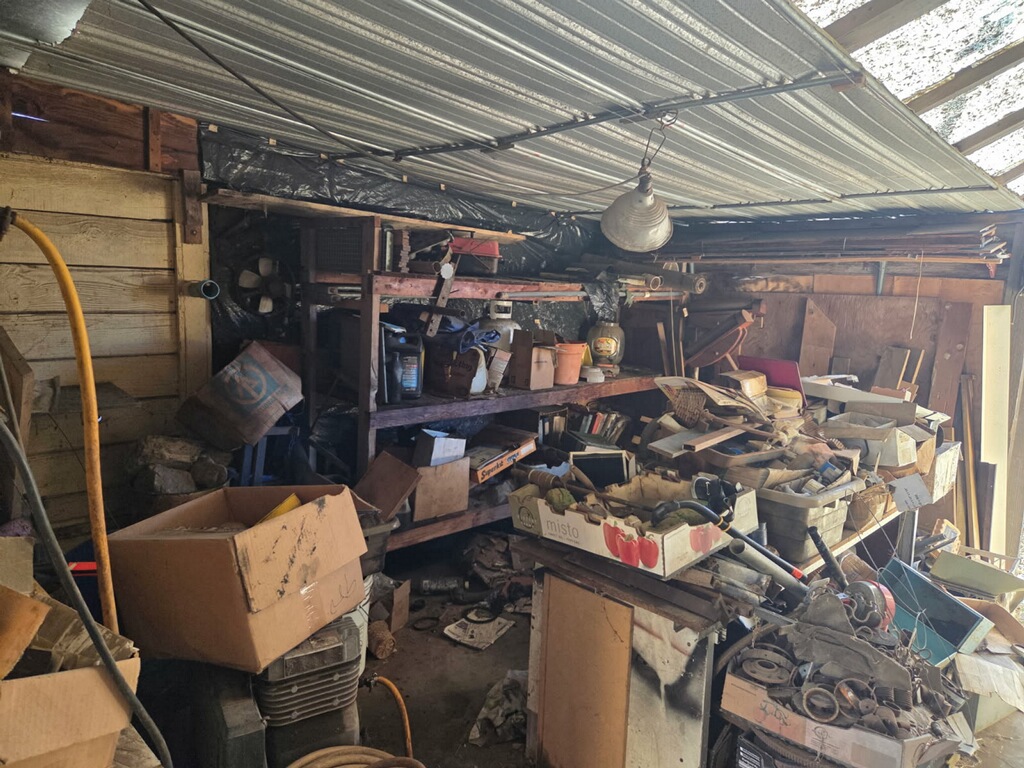
Over the years, homes accumulate belongings. Closets fill up, garages become storage spaces, and spare rooms can end up holding furniture and boxes that haven’t been touched in years.
When it’s time to sell the property, all those possessions need to be addressed.
This is where an estate sale can provide tremendous value.
Instead of having family members sort through and individually sell every item, a professional estate sale company can help move a large portion of the household’s contents in a relatively short period.
The result? Less clutter, fewer items to manage, and a home that’s closer to being ready for the real estate market.
And that can be worth more than people initially realize.
What Happens to Everything That Doesn’t Sell?
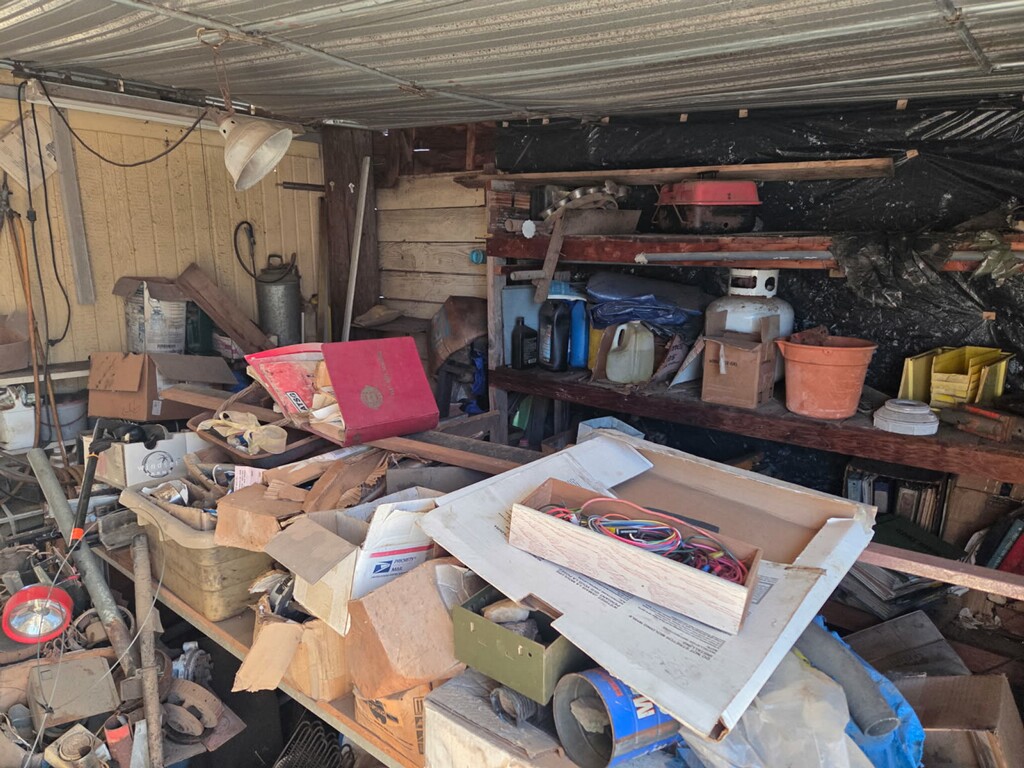
Here’s an important detail that families should plan for: Even the best estate sale companies will leave some items behind.
It’s simply part of the process.
Some belongings won’t attract buyers, while others may have little resale value. That doesn’t necessarily mean the estate sale was unsuccessful.
What matters is having a plan for what happens next.
Before hiring an estate sale company, consider asking:
- What happens to the items that don’t sell?
- Does the company offer donation or cleanout services?
- Will there be additional fees for removing leftover belongings?
- How soon after the sale can the home be completely cleared?
Understanding these details upfront can help avoid unexpected expenses and delays, especially if the property needs to be listed for sale soon.
Why Decluttering Can Be More Valuable Than the Sale Itself
For many families, the home is one of the most valuable assets in the estate.
And when the goal is to sell that property, presentation matters.
A home filled with furniture, boxes, and miscellaneous belongings can make it difficult for potential buyers to appreciate its space, layout, and possibilities.
Decluttering allows the property to be cleaned, repaired, photographed, and presented more effectively.
It also makes it easier for real estate professionals to identify any improvements that may help prepare the home for listing.
Think about it this way:
The estate sale might generate a few thousand dollars from personal belongings, depending on what’s available. But properly preparing the home for the real estate market may have a much greater impact on the overall transaction.
That’s why I often encourage families to look at an estate sale as a step toward selling the property, rather than simply a way to make money from its contents.
Money vs. Declutter: Which Should Be Your Priority?
There’s no single answer that applies to every estate.
If a home contains valuable antiques, rare collectibles, or high-end furnishings, maximizing the proceeds may be a reasonable priority.
But if the main objective is to prepare the property for sale, decluttering may be the more important goal.
In many cases, the ideal outcome is a balance of both.
A well-managed estate sale can help recover some value from household items while significantly reducing the amount of work needed to clear the home.
The important thing is to know your priorities before the process begins.
Final Thoughts: Look at the Bigger Picture
Estate sales can be a practical and valuable part of settling an estate, but their success shouldn’t be measured by revenue alone.
Sometimes, the biggest benefit is simply getting the home cleared, organized, and ready for its next owner.
If you’re considering an estate sale, take the time to understand the company’s services, ask about unsold items, and plan for what happens after the sale is over.
Most importantly, remember that the ultimate financial value may not come from selling what’s inside the home. It may come from preparing the home itself for a successful sale.
So, before scheduling an estate sale, ask yourself one important question:
Are you trying to make money, or are you trying to make room for what’s next?
The answer can help you make smarter decisions and move forward with greater confidence.